

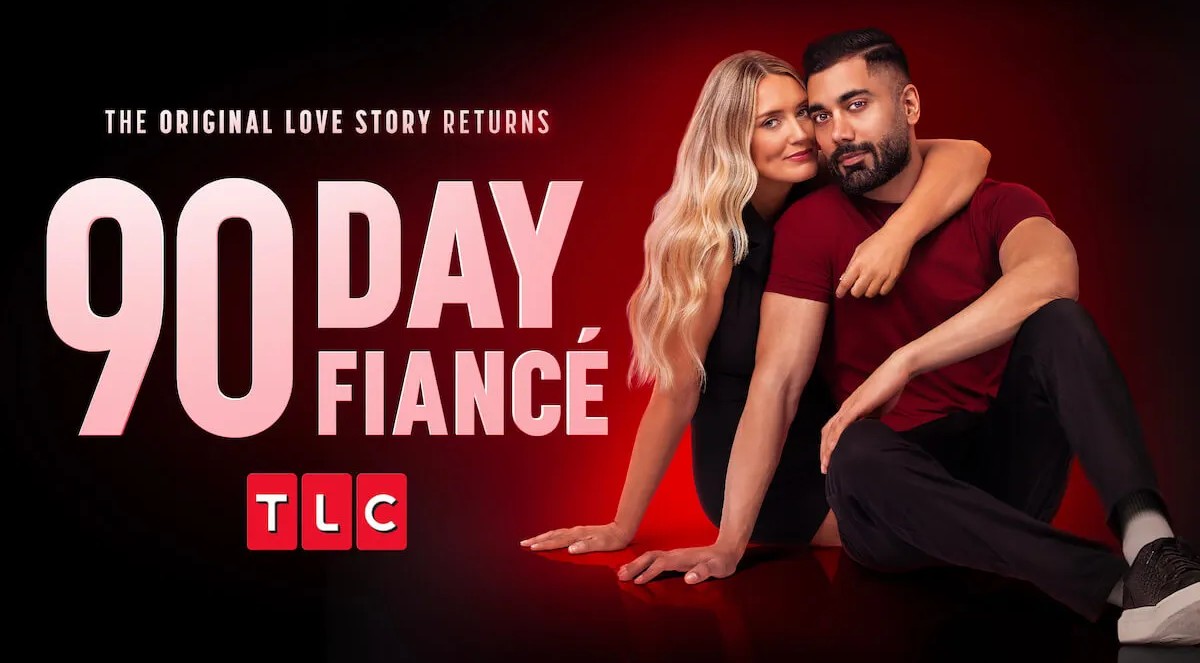
The Evolution of 90 Day Fiancé: From Social Experiment to Reality TV Phenomenon
The Humble Beginnings of a Love Experiment
When 90 Day Fiancé debuted on TLC in 2014, it presented itself as a grounded look into the K-1 visa process and the real emotional stakes faced by international couples. The early seasons focused on sincere storytelling, cultural adjustment, and the pressure of deciding whether love could overcome geography and bureaucracy in just three months. Viewers were invited into intimate moments—awkward family dinners, language barriers, and genuine uncertainty about the future.
“At its core, the show asked a simple question: Is love strong enough to survive 90 days?”
Couples such as Alan and Kirlyam or Mike and Aziza embodied this quieter tone, making the show feel more like a documentary than a reality spectacle.
The Evolution of 90 Day Fiancé

Drama Takes Center Stage
As the series gained traction, producers began to recognize that conflict was a powerful driver of ratings. By the mid-seasons, casting choices emphasized age gaps, financial imbalance, and volatile personalities. Relationships like Danielle and Mohamed’s became cultural touchstones, generating viral clips, memes, and intense online debate.
“The relationships were no longer just unconventional—they were combustible.”
This era marked a shift in the show’s identity, as emotional explosions and shocking revelations began to overshadow the immigration process itself.
Building the 90 Day Universe: Spin-Offs and Expansion
With its growing popularity, TLC transformed 90 Day Fiancé into a franchise. Happily Ever After? followed couples beyond marriage, revealing that commitment often amplified existing problems. Before the 90 Days explored relationships before the visa was approved, while The Other Way reversed the premise entirely by sending Americans abroad for love.
“The show stopped being a series and became an ecosystem.”

Additional spin-offs like The Single Life, Pillow Talk, and What Now? allowed fans to remain immersed in cast members’ lives long after their original seasons ended.
The Age of Icons, Influencers, and Internet Fame

In recent seasons, the franchise has leaned fully into spectacle. Figures such as Big Ed, Angela Deem, and Usman “Sojaboy” Umar evolved into recurring characters whose personas extended far beyond the show. Social media platforms turned cast members into influencers, monetizing fame through Cameo videos, brand deals, and subscription content.
“The line between reality star and internet personality all but disappeared.”
While critics argue the authenticity of the series has declined, its entertainment value continues to draw massive audiences.
Why 90 Day Fiancé Still Works
Despite its evolution, 90 Day Fiancé endures because it reflects universal human experiences—love, insecurity, power struggles, and the desire for belonging. Whether heartfelt or chaotic, the stories resonate because they are deeply personal.
“It may no longer be subtle, but it remains irresistible.”
From its documentary-style origins to its current status as a reality TV empire, 90 Day Fiancé has proven that love, when placed under pressure, will always captivate an audience.
Photo Credit: Google Search and YouTube