

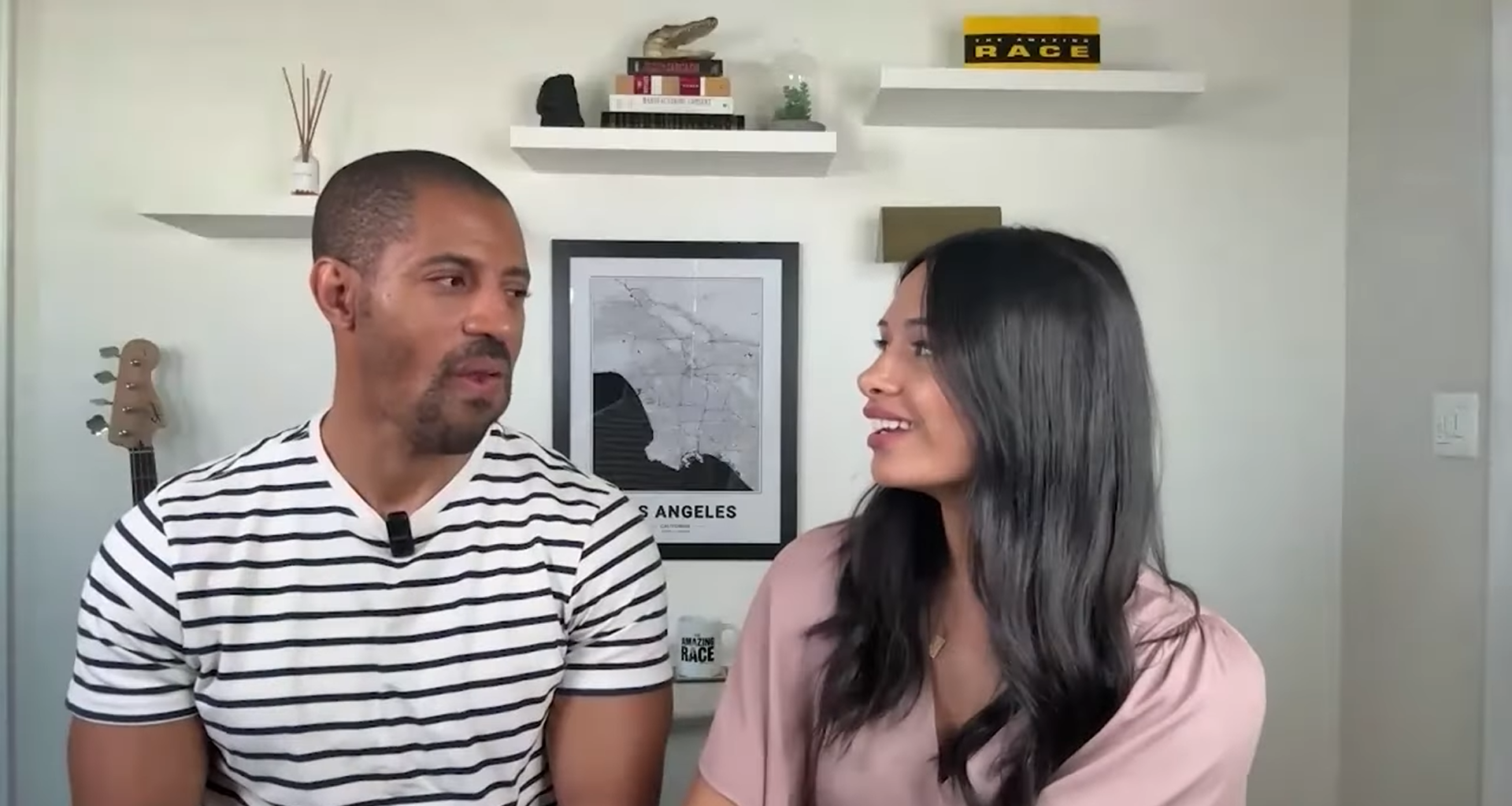
Amazing Race Stars Sue For 8 M In Defamation Drama
In early March 2026, Jonathan and Ana Towns (third-place finishers on The Amazing Race Season 37) allegedly filed a defamation lawsuit in Los Angeles Superior Court against World Race Productions and the show’s network and producers (CBS/Paramount, ABC Signature/Disney, and Jerry Bruckheimer Films).
Amazing Race Stars
The 25-page complaint, obtained by People, charges that the defendants ran a “smear strategy” to portray Jonathan as “morally depraved, brutal and abusive” toward his wife. According to the filing, footage of Jonathan’s nervous “meltdown” ( allegedly linked to his autism, diagnosed after filming) was taken out of context and amplified, while exculpatory content was omitted.

The Townses, allegedly claim that production staff repeatedly pushed them to continue filming even after Jonathan became visibly distressed. Then edited the show to depict him as an abuser falsely. In their words, the show “deliberately…constructed a false and highly damaging portrayal” of Jonathan through “decontextualized” footage.
These alleged facts underlie legal claims for defamation (libel), false light invasion of privacy and related emotional-distress claims. As the complaint notes, both plaintiffs are private citizens (neither was a public figure prior to the show), which means the normal defamation standard (requiring only negligence, not “actual malice”) would apply if the case proceeds.
The Townses are seeking $8 million in damages plus injunctive relief.
Specifically, they request that the court force the producers to re-edit the episodes and add disclaimers about Jonathan’s condition, along with a public apology. They are also asking for punitive damages and a jury trial.
Amazing Race Stars Allegedly File Suit
The People report makes clear they filed the suit on March 4, 2026, just days before The Amazing Race S37 was set to air. (Jonathan and Ana are representing themselves, and a formal complaint has been filed in the Los Angeles Superior Court; however, we could not locate the actual court docket or complaint text online.)

Legally, the Towns’ case faces significant hurdles. Defendants will no doubt invoke First Amendment and editorial-privilege defences. Reality shows are broadly protected as “creative expression,” and courts often give producers wide leeway in editing[N/A].
Indeed, production agreements typically include broad waivers by contestants that allegedly bar suits over creative edits. Unless the Townses can show the producers acted outside the scope of any release or knowingly published false factual statements, the defendants will argue the lawsuit is barred.

Another issue is the statute of limitations: California law gives only one year to sue for defamation (from date of publication). But since the first airing was March–May 2025, the March 2026 filing appears timely. Jurisdiction should not be a major problem, as all defendants have substantial ties to California (World Race Prods. and Paramount are based in LA, etc.).
The Townses are private individuals, which helps their defamation burden (no need to prove “actual malice”), but it also means they have fewer resources than a big corporation. The complaint’s rhetoric (“immoral…shock the conscience”) and focus on facts may be designed to keep this in court. But the defendants will likely move to dismiss (citing reality-TV contract terms and protected speech).
What Maybe The Outcome Win Or Lose
If this case succeeds or even pressures the industry, it could have a broad impact on reality TV practices. Producers may tighten contracts with even more explicit releases or confidential arbitration clauses to prevent public lawsuits.
Reality shows might build in greater duty-of-care safeguards. For Example more on-set medical/psychological support and stricter review of contestants. All to avoid accusations of negligence. Some broadcasts may add on-air disclaimers or more context to sensitive scenes, to blunt claims of deception.
Overall, the Towns’ suit highlights contestants’ growing willingness to challenge the “fairness” of reality productions. Even if the case ultimately fails, networks and producers may adjust their editing and casting practices. All to avoid future claims of defamation or maltreatment.
In sum, while the Townses’ allegations must be proven in court, their lawsuit . The Lawsuit was newly filed in March 2026. This underscores the legal tensions around reality-TV storytelling. And could push the industry toward clearer standards of care and disclosure. Through tougher contracts and possibly new on-set policies as it wrestles with such claims.
Photo Credits: YouTube
Sources
News reports from People and TheWrap describe the lawsuit’s filing, allegations, claims and remedies. The actual complaint was not publicly available as of this writing. These outlets cite the Los Angeles Superior Court complaint, but no court docket has been found online.
The legal issues discussed reflect standard media law: First Amendment and contract defences. To defamation and implied invasion of privacy claims, timely filing of the action, and likely business changes if such suits gain traction.