


Old School vs. New School: How Reality TV Has Changed
As someone who’s been watching Big Brother and Survivor since the early 2000s, I can honestly say the shows today feel like they’re playing in a completely different universe than when they first started. Back then, these shows felt raw and experimental, like we were all part of a big social science project.
Old School vs. New School
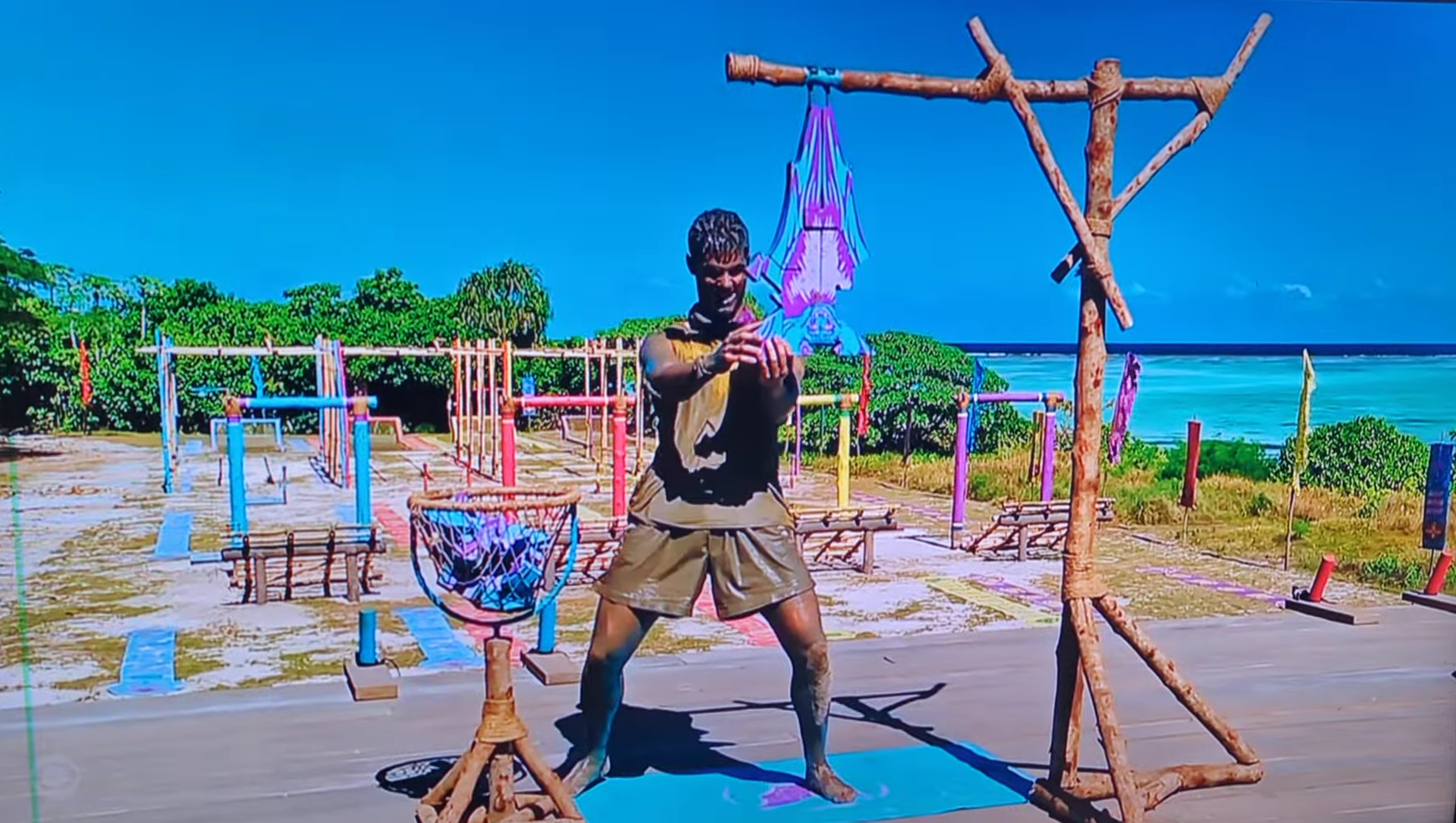
Ordinary people were thrown into wild situations, whether it was a deserted island with no food or a house cut off from the world. The drama came from natural human behavior and the crazy ways people clashed or bonded under pressure. Watching those early seasons felt like peeking into an unscripted slice of life where anything could happen.

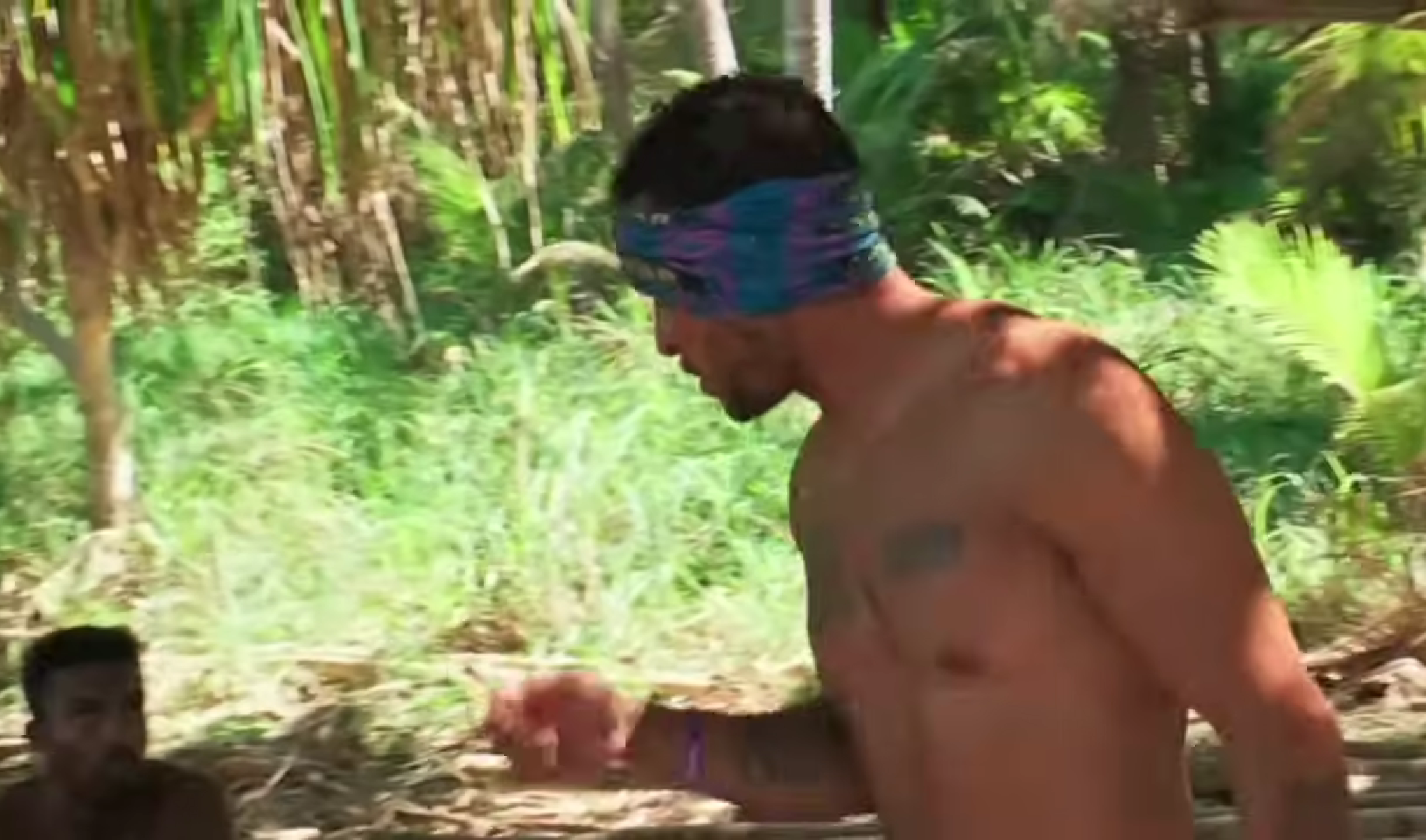
The old school seasons were all about survival and social dynamics. Survivor used to focus heavily on things like making fire, building shelter, and whether the tribe could even keep it together long enough to make it through the night. The strategy was there, but it was simple—alliances were born out of necessity, not out of game theory.
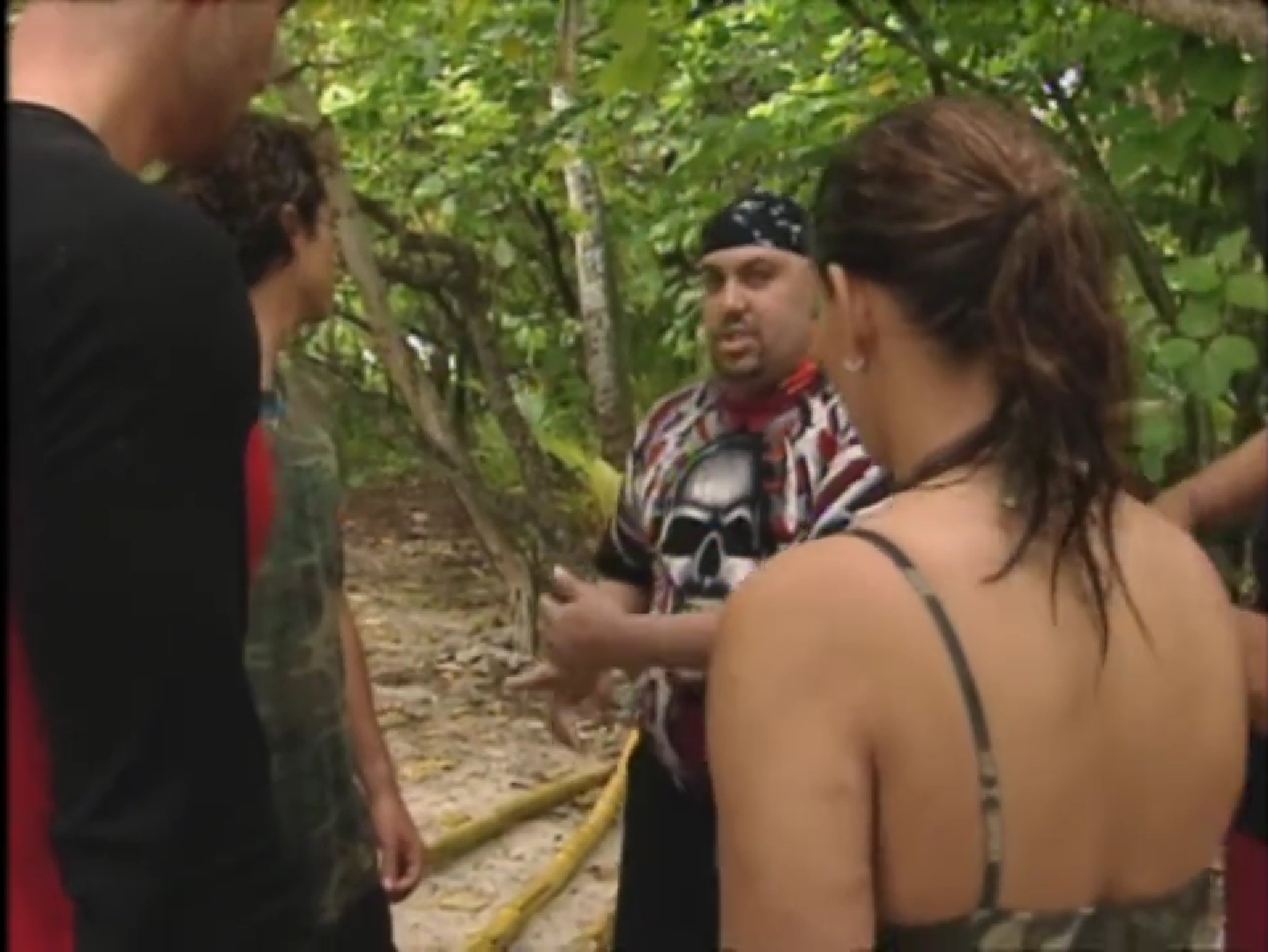
Over on Big Brother, it really did feel like a “social experiment.â€
Contestants didn’t come in with giant followings or preconceived strategies. They were just regular people learning to live together under 24/7 surveillance. The blindsides back then felt shocking and fresh because they weren’t predictable. They weren’t rehearsed. They were raw.

Fast forward to today, and it’s a whole new ballgame.
Modern Survivor feels less like survival and more like a chess match with constant twists, idols, and advantages being thrown into the mix. Half the time, the cast barely worries about food or fire—they’re too busy trying to figure out who has what advantage and whether Jeff’s about to pull another game-breaking twist.
New School Leans More To Influencers
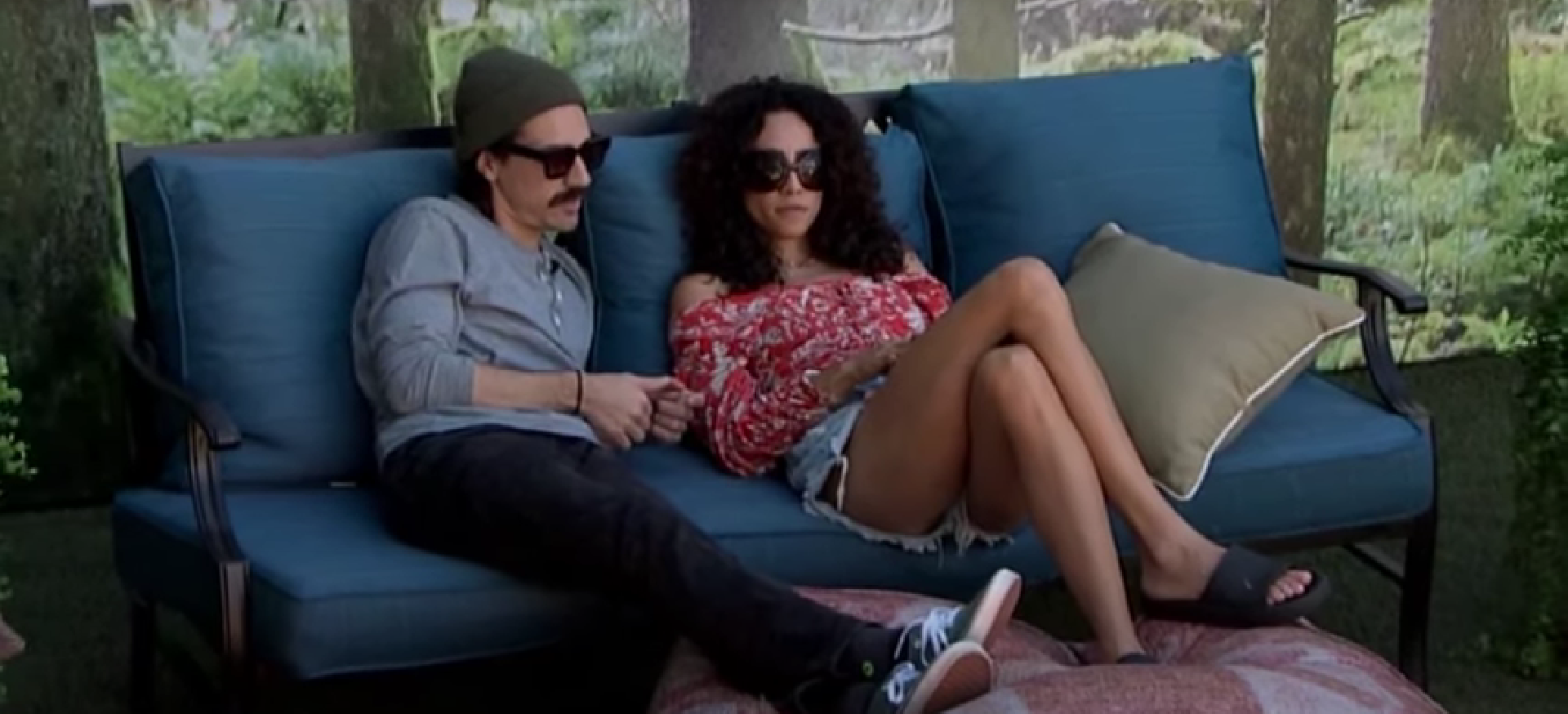
Big Brother has also gone full throttle into spectacle. We’ve got big, flashy competitions, production-engineered drama, and casting that leans heavily toward influencers, models, and returnees who already know how to play to the cameras. It’s entertaining, sure, but it doesn’t feel like the same show it once was.
Another massive shift is how we as fans interact with the game. Back in the early 2000s, you basically watched the episodes and joined a forum or two. Now, it feels like the entire game plays out in real time online.
Big Brother’s live feeds get clipped and blasted all over Twitter, TikTok, and YouTube. Fans are analyzing every tiny conversation, every eyebrow raise, every look. Contestants aren’t just competing for prize money anymore. They’re building personal brands and walking out with thousands of new followers. It’s less about the experiment and more about creating a launchpad for the next influencer career.
Honestly, both eras have their charm. I miss the raw, authentic feel of the early days, where you could watch people truly struggle with the environment or their own social skills. But at the same time, I can’t deny how fun the modern versions are.
The twists, the drama, the social media chaos—it’s addicting. The old school shows gave us authenticity, and the new school shows give us spectacle. Maybe that’s just how reality TV had to evolve in a world where attention is the ultimate prize.
Photo Credits: YouTube and Pluto TV