

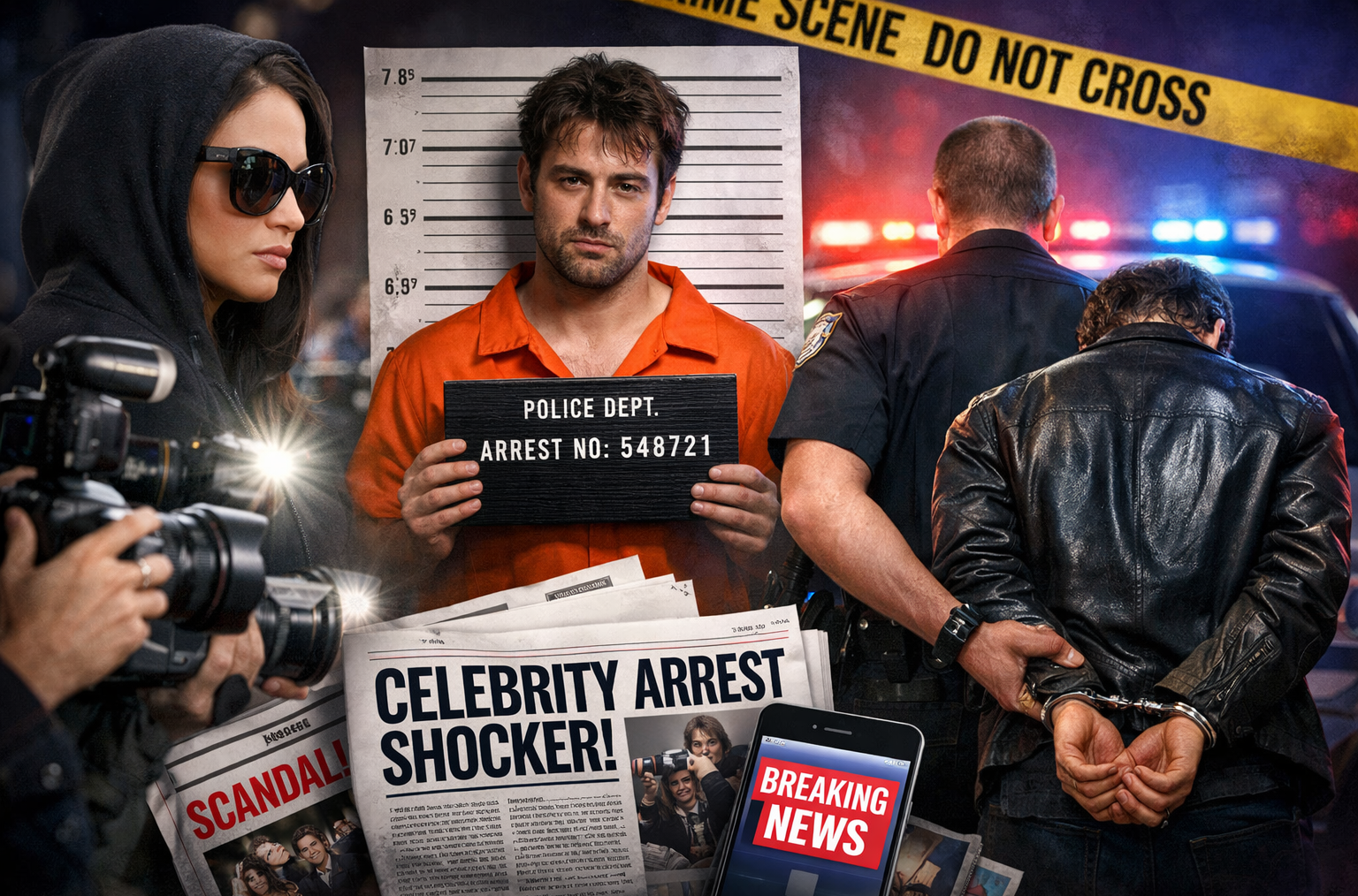
Celebrity arrests have a way of stopping the internet in its tracks. From breaking news alerts to endless social media debates, the moment a famous name appears next to the word “arrested,” public attention skyrockets. While arrests are a serious matter with real-life consequences, society’s fascination with celebrity legal trouble reveals as much about us as it does about fame itself.
Celebrity Arrests

At the heart of this obsession is the idea of status and relatability colliding. Celebrities are often placed on pedestals, portrayed as wealthy, powerful, and seemingly untouchable. When one is arrested, that illusion cracks.
Suddenly, the movie star, chart-topping singer, or reality TV personality is subject to the same laws as everyone else. For many people, this moment feels like proof that fame doesn’t grant immunity, creating a strange mix of validation and shock. It humanizes celebrities, even when the circumstances are troubling.
Another reason celebrity arrests draw so much attention is the role of media amplification. In the digital age, arrests are no longer just reported—they are dissected, meme-ified, and debated in real time. Mugshots trend within minutes.
Social Media Platforms Play A Role
Court documents are summarized on TikTok. News outlets know that celebrity crime stories generate clicks, engagement, and ad revenue, so coverage often becomes relentless. The line between news and entertainment blurs, especially when speculation and opinion begin to overshadow verified facts.

There’s also a psychological element tied to morality and accountability.
Society often holds celebrities to higher standards because of their influence. When a public figure is arrested, conversations quickly turn to responsibility, role modelling, and consequences.
Fans may feel disappointed or betrayed, while critics may see the arrest as long overdue. These moments spark larger cultural discussions about privilege, justice, and whether famous individuals receive special treatment—or harsher judgment—because of who they are.

Reality Television Brings This To The Forefront
Reality television has further fueled this fascination. Many modern celebrities rise to fame by sharing their personal lives openly, including conflicts, addictions, and legal struggles. When an arrest happens, it can feel like an extension of a storyline audiences have already been following.
Viewers aren’t just watching the news; they feel invested, as if they “know” the person involved. This parasocial relationship intensifies emotional reactions, whether it’s sympathy, outrage, or curiosity.
Finally, celebrity arrests tap into a long-standing cultural interest in scandal and downfall. From Old Hollywood to today’s influencer era, stories of rise and fall have always captivated audiences.
Our Fascination Keeps Arrest In The Forefront
Arrests represent a dramatic turning point! Sometimes a moment of reckoning, other times a catalyst for redemption. Public fascination often isn’t just about the crime. But about what comes next: the apology, the court case, the comeback, or the disappearance from the spotlight.
Ultimately, society’s fixation on celebrity arrests reflects our complex relationship with fame. We admire celebrities, criticize them, hold them accountable. Sometimes take comfort in seeing that even the most glamorous lives are imperfect.
While it’s essential to acknowledge the real human and legal stakes involved. Our fascination reveals a deeper truth: fame may elevate people, but it also puts their most vulnerable moments on full display.
Photo Credits: YouTube and ChatGPT