

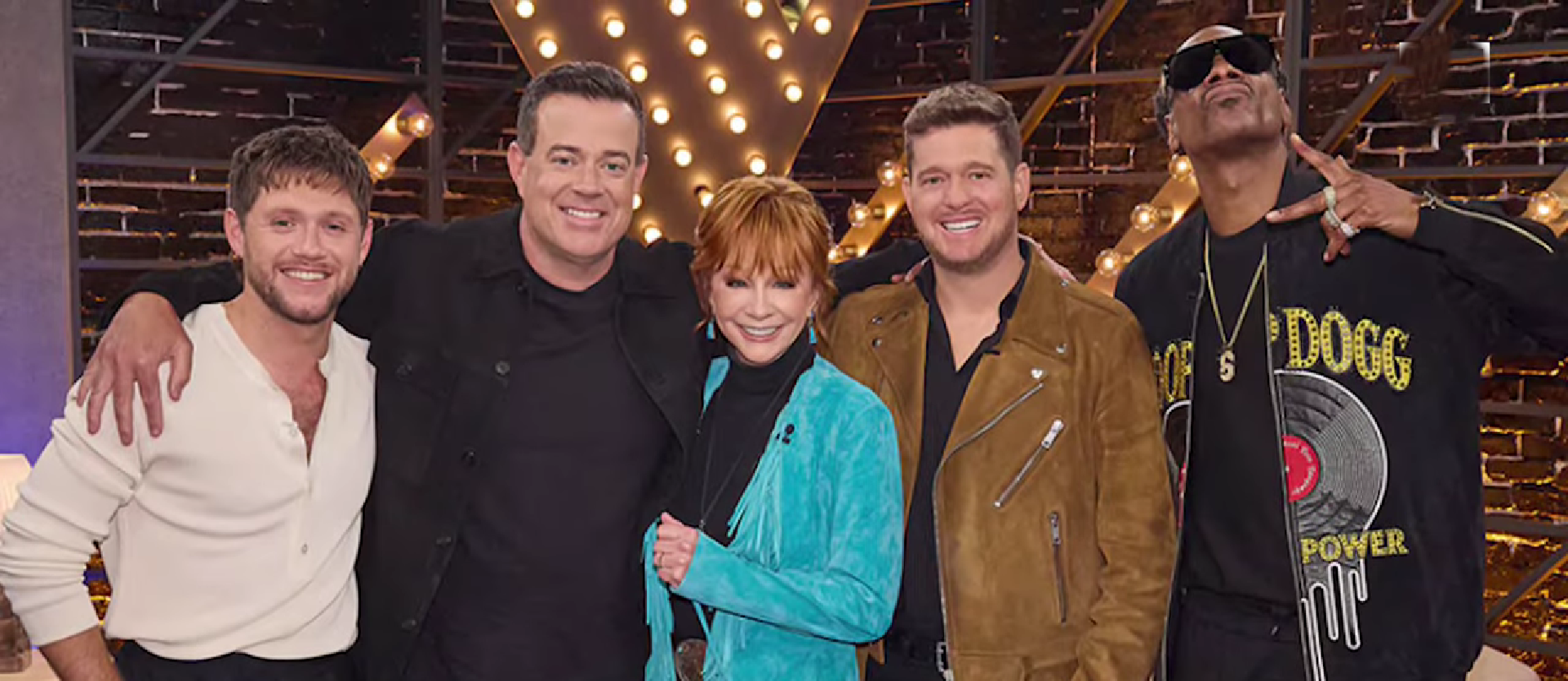
Carson Daly’s Callback Card
Season 28 of The Voice has burst onto screens with a fresh energy—new format tweaks, familiar coaches, and perhaps most notably, the introduction of the Carson Callback Card. Premiering on September 22, 2025, the season features Michael Bublé, Reba McEntire, Niall Horan, and Snoop Dogg returning to the coaching panel. What makes this year especially intriguing is one power that host Carson Daly now wields: the ability to give one artist who fails to earn a chair turn during the Blind Auditions a second shot.
Carson Daly’s Callback Card
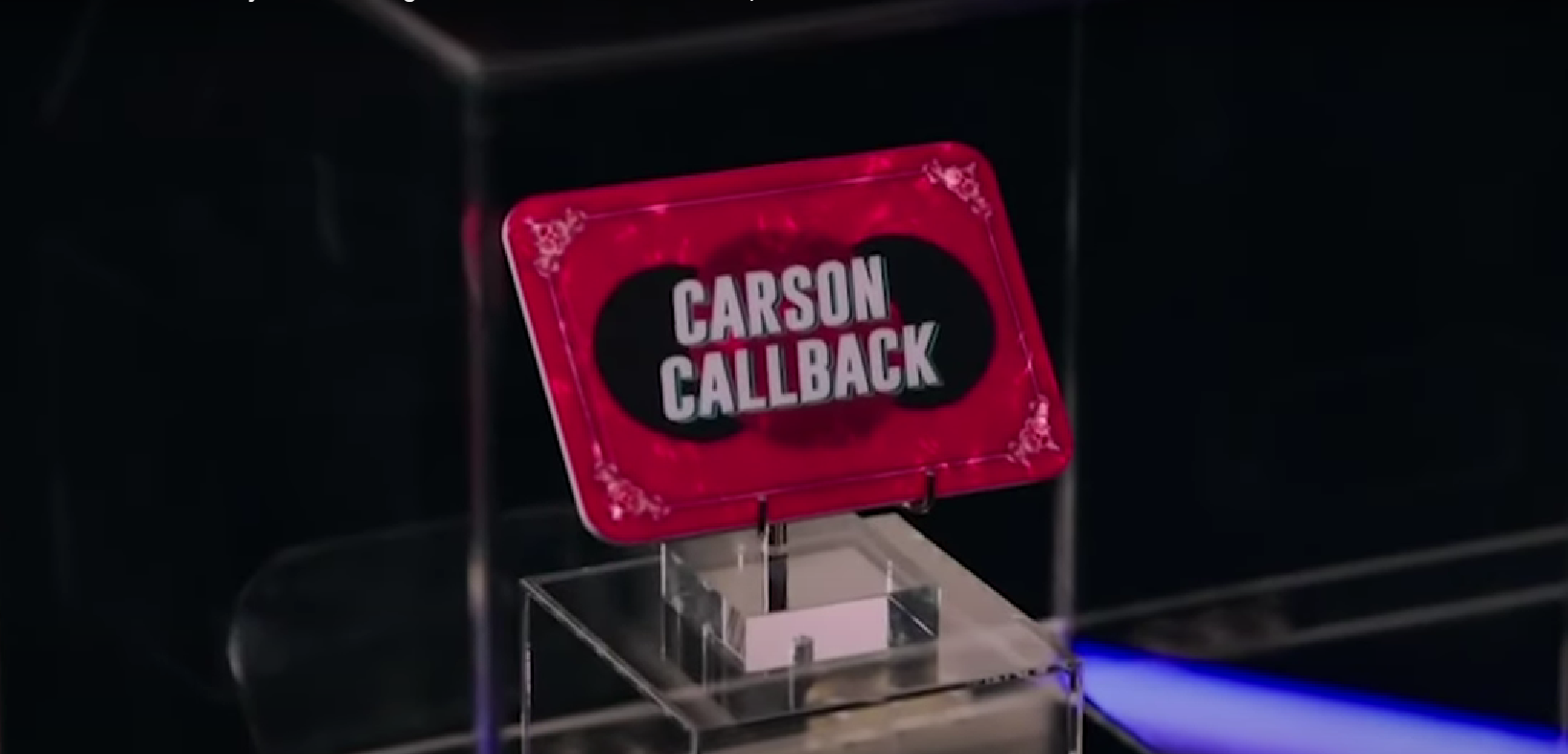
The Callback Card, as Daly calls it, is singular—it can be used once this season. That limitation gives it weight. It’s not just a gimmick; it’s a meaningful chance for someone the coaches didn’t pick. But who does Carson believe deserves another chance?
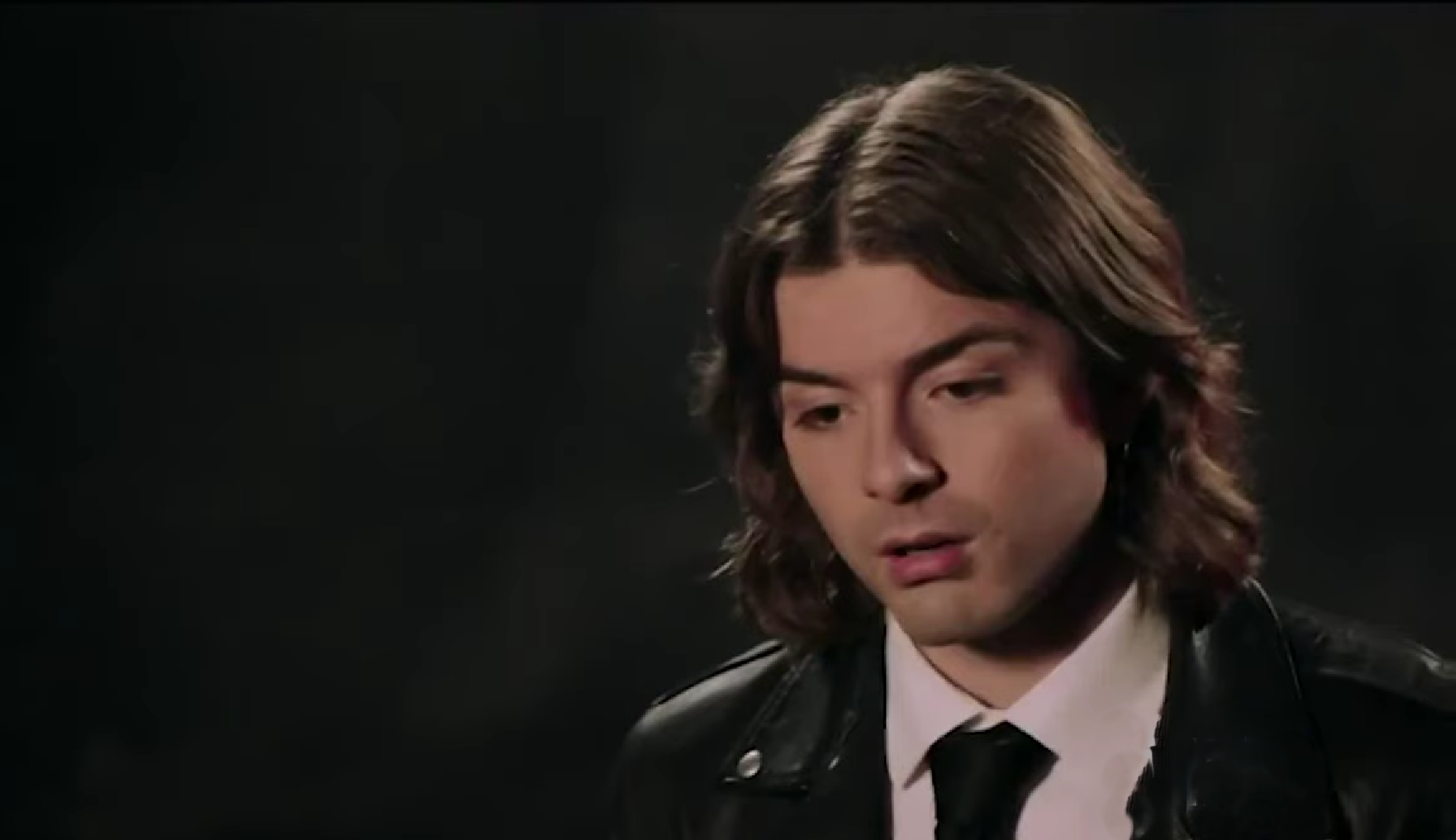
The first time Daly used it was in Episode 1, when Ryan Mitchell, a 25-year-old performer, was impressed with an emotionally raw rendition of Cigarette Daydreams by Cage the Elephant. Yet he failed to get any chair turns. Daly saw potential and gave him the Callback.
The ensuing drama made for compelling TV. Mitchell was given 24 hours to pick a new song and return to the stage to try again. On the second audition, he chose a rock-infused take on Britney Spears’ “…Baby One More Time.†This time, after a tense performance, Reba McEntire hit her button—Mitchell finally made it through blind auditions via the Callback.

Carson Daly’s Callback Card Adds Intrigue
What’s fascinating is how the concept plays with themes that fans of talent shows often debate. Fairness, emotional stakes, second chances, and the vulnerability of relying on subjective opinions during auditions. For longtime watchers, this tweak has stirred reflection: Will this become a recurring tool in future seasons?
How will coaches adjust their auditioning strategy knowing that someone might return via Carson’s choice?
Critics question whether it disrupts the traditional structure of the show, but many viewers appear excited. The Callback feels like a story-arc built into the season—not just about who sings best, but about being seen, about not being given up on. It adds tension, hope, and an underdog narrative that resonates.
In addition to the Callback, Season 28 has updated other mechanics. Artists choosing their own Battle pairings, a Mic Drop round in the Knockouts that brings more audience involvement, and stricter limits in the Playoffs. All together, these changes suggest The Voice is doubling down on unpredictability and emotional stakes.
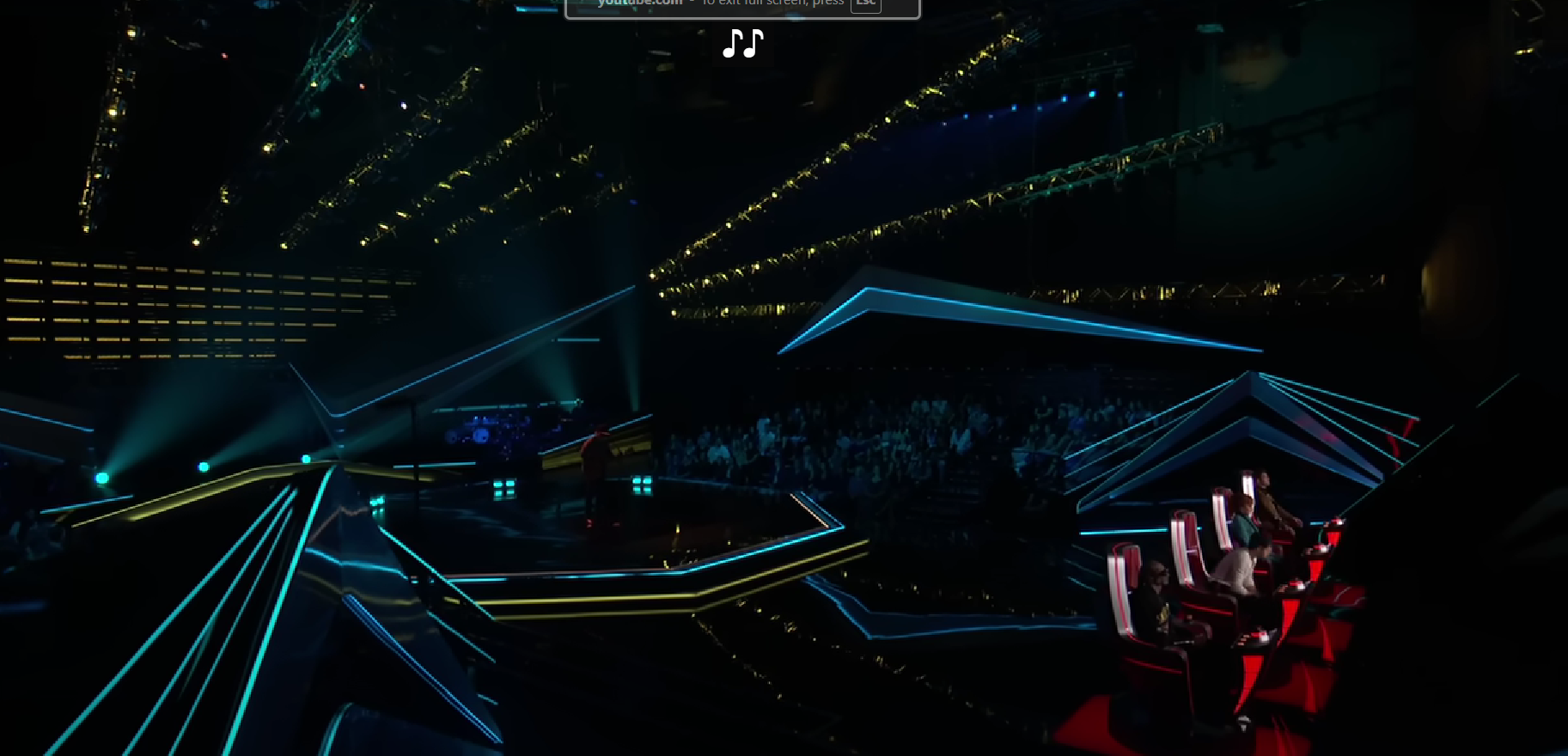
In conclusion, the Carson Callback Card is more than just a novelty. It’s a statement that the show is listening to the audience, to its contestants, even to its own critics. It underlines that sometimes talent needs more than one shot in the spotlight.
As Season 28 unfolds, it’ll be interesting to see how this twist influences the competition’s arc. And whether it shifts the balance between raw potential and polished performance. For now, the Callback gives viewers someone to root for! Not only for what’s performed on stage, but for what might have been missed the first time around.
Photo Credits: YouTube