


The reality television landscape has been significantly shaped by the enduring popularity of “Big Brother,” a series that captivates audiences with its intricate social dynamics and strategic gameplay. In its 27th season, the show introduces a compelling twist that has ignited speculation among fans: the presence of an “accomplice.” This new element not only alters the traditional game mechanics but also invites viewers to analyze the motivations and alliances within the house more critically.

There is the Mastermind who, in the season premiere episode, created some sabotage. First, some of the HOH relics disappeared, then Julie disappeared. Before we forget, a secret passage opened and out popped Rachel Reilly as the Mystery Guest. There are many theories from fans who are thinking about who the Accomplice could be.
Some think it’s Zach due to his winning $10,000 from the first competition he participated in, which would give him a nice parting gift if he left during the early episodes. Another person that fans think it may be is Ava. She did run out when the lights went out.

Accomplice
For the accomplice to last in the house, he or she has to make sure their identity goes undetected for as long as possible. We won’t know if they make it until we watch the show or the live feeds on Sunday night. One other thing to point out is that there are 9 women and 8 men, so would it be feasible for them to get the Accomplice out fast to even the sides?
The concept of an accomplice raises questions about trust and betrayal among contestants. The identity of this accomplice remains shrouded in mystery, creating a layer of intrigue that challenges players to navigate their relationships cautiously. Contestants must engage in a delicate balancing act, where they forge alliances while simultaneously questioning each other’s loyalties. This dynamic fosters an environment ripe for deception, as players may choose to align with or expose the accomplice based on shifting power dynamics.
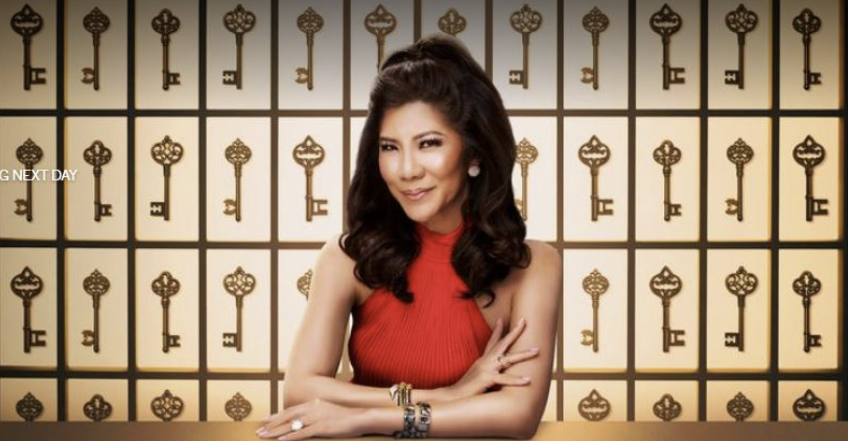
This twist serves as a reflection of broader societal themes related to surveillance and manipulation. Just as George Orwell’s “Big Brother” symbolizes oppressive oversight, contestants must contend with both literal and figurative surveillance from their peers, who may be watching for signs of collusion or betrayal. As audiences tune in weekly, they are invited not only to speculate on who might be the accomplice but also to reflect on how trust operates within competitive environments.
Photos CBS