


The Perfect Traitor: How Rob Rausch Quietly Dominated The Traitors Season 4
In a castle filled with paranoia, betrayal, and emotional meltdowns, one man mastered the art of deception so flawlessly that no one truly saw him coming. Rob Rausch didn’t just play the game on The Traitors Season 4—he became the game. While louder personalities clashed at the roundtable and suspicion flew wildly between Faithful players, Rob quietly constructed one of the most dominant Traitor performances the franchise has ever seen. His brilliance wasn’t in dramatic speeches or aggressive manipulation, but in something far more dangerous: subtlety.
The Perfect Traitor
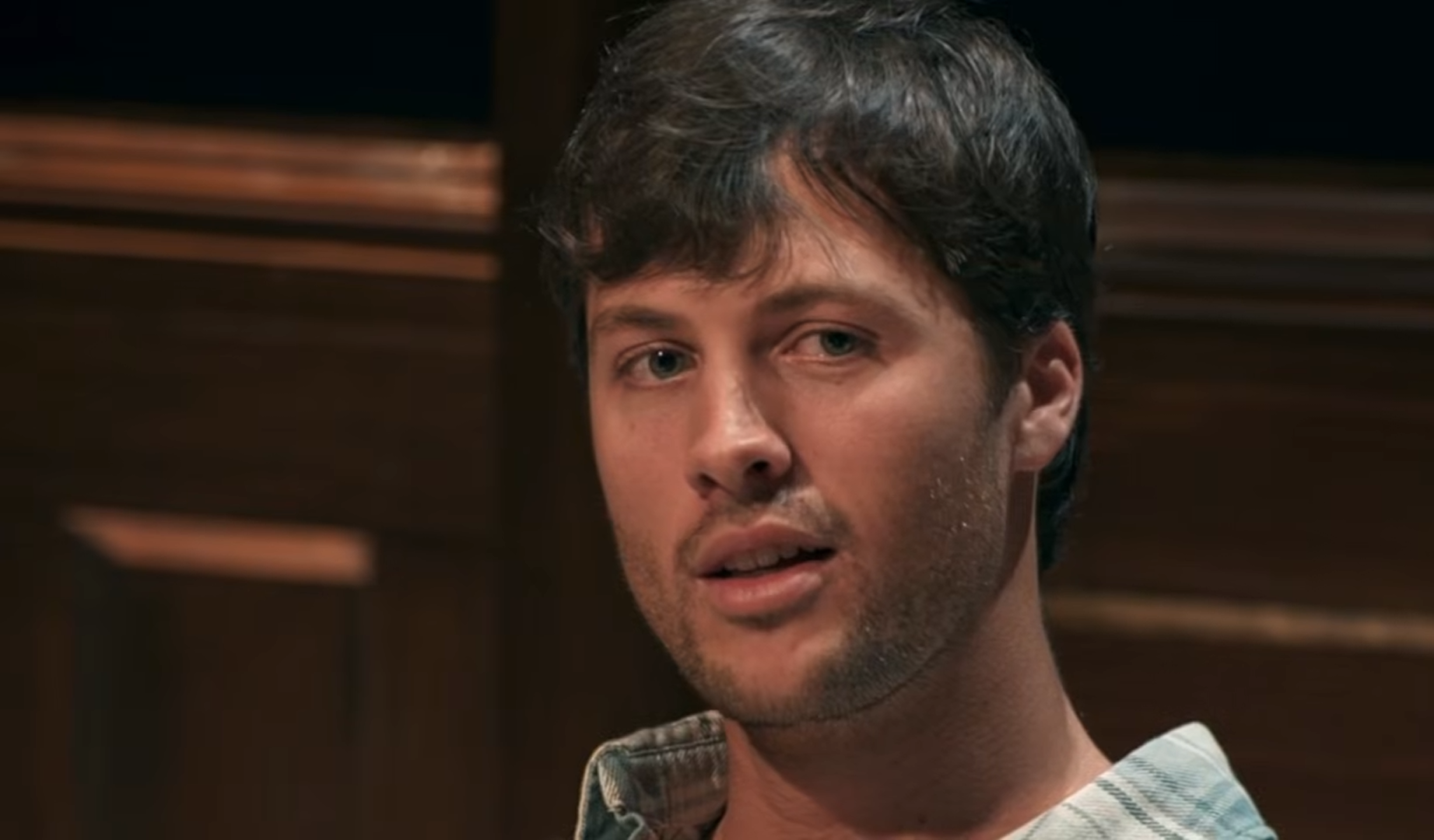
From the very beginning, Rob adopted a strategy that reality television history has proven to be lethal—hide in plain sight. Instead of taking control publicly, Rob allowed other players to lead discussions, argue, and accuse each other. He rarely pushed strong opinions at roundtables, choosing instead to listen carefully and offer calm, measured responses. This made him appear reasonable, trustworthy, and—most importantly—not threatening. In a game where suspicion is often triggered by emotional or erratic behavior, Rob’s calm demeanor became his greatest asset. Players didn’t see him as dangerous. They saw him as safe.
One of Rob’s earliest and most critical moves was identifying and eliminating perceptive threats
Natalie Anderson was among the first to sense that something wasn’t right about Rob. She noticed how he stayed in the middle of every alliance and rarely committed strongly to accusations. Natalie began quietly warning others that Rob was “playing too well.” Recognizing the danger, Rob subtly shifted the narrative. Instead of confronting her directly, he planted seeds that Natalie was paranoid and overplaying. Soon, the focus shifted onto Natalie herself, and she was banished before she could rally enough support against him. It was a masterclass in preemptive defense.

As the game progressed, Rob strengthened his position through carefully cultivated personal relationships. His bond with Eric Nam, his fellow Traitor, was particularly crucial. Eric trusted Rob completely, believing they were working toward a shared victory. But behind the scenes, Rob was already planning for the endgame. He allowed suspicion to slowly build around Eric without aggressively defending him, ensuring that Eric would eventually become a target. When Eric was finally banished near the finale, Rob emerged unscathed—the last Traitor standing, and no longer under serious suspicion. It was ruthless, but undeniably effective.
Rob also benefited from strong trust among Faithful players like Kristen Kish, who viewed him as emotionally genuine and loyal. Her trust helped reinforce his credibility with others, even as suspicions occasionally surfaced. Meanwhile, players like Tara Lipinski and Mark Ballas began to notice troubling patterns—namely, that Rob always seemed to survive while others who questioned him disappeared. Yet even when suspicion arose, Rob’s calm and empathetic responses diffused tension. Rather than appearing defensive, he appeared hurt and understanding, which made his accusers seem more suspicious than him.
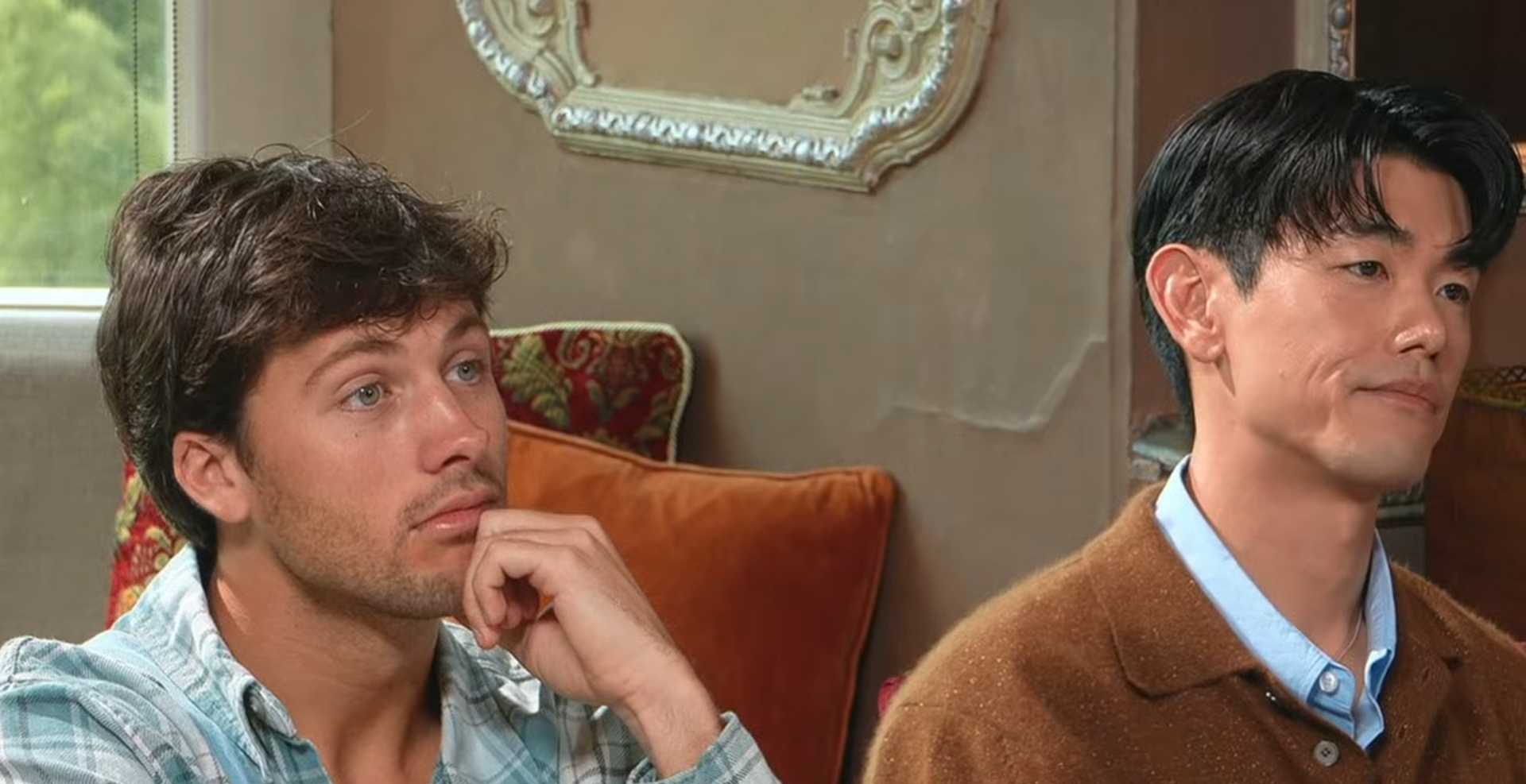
Perhaps Rob’s most ingenious tactic was allowing Faithful players to eliminate each other. Instead of orchestrating obvious Traitor moves, he encouraged doubt and let paranoia do the work for him. Faithful players turned on one another repeatedly, shrinking their own numbers and clearing Rob’s path to the end. By the time players began seriously questioning him, it was too late. His social bonds were too strong, and his reputation too clean.
What made Rob truly exceptional was his emotional intelligence. He understood how to make each player feel uniquely valued and trusted. Multiple contestants believed Rob was their closest ally, never realizing he was quietly steering the game behind the scenes. His ability to manage relationships while executing ruthless strategic decisions allowed him to maintain control without detection.
By the finale, Rob had achieved what every Traitor hopes for: complete invisibility. With Eric gone and Faithful players convinced the danger had passed, Rob reached the endgame and secured the victory. His performance was not defined by dramatic betrayals or explosive confrontations, but by precision, patience, and psychological mastery.
In a season defined by chaos, Rob remained the calm at the center of the storm—and that’s exactly why he won.
Photo Credits: YouTube